US-Iran Peace Deal 2026: What It Means for the Global Economy and Middle East Stability
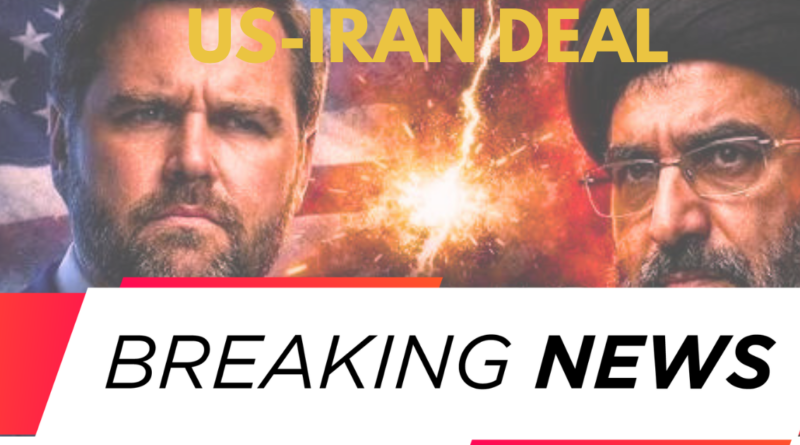
The geopolitical landscape of the Middle East has taken a historic turn. After more than three months of intense military conflict that rattled global markets and escalated regional tensions, a historic US-Iran Deal have officially reached a framework peace agreement.
Announced on June 14, 2026, this breakthrough Memorandum of Understanding (MOU) marks a tentative end to a 15-week war, signaling a massive diplomatic shift. With both nations agreeing to a permanent cessation of military operations on all fronts, the world is closely watching how this historic agreement will reshape international trade, energy security, and global diplomacy.
The Breakthrough: De-escalation and the Ceasefire
The conflict, which escalated significantly earlier this year with heavy military engagements and strategic blockades, has finally seen a diplomatic breakthrough mediated by international partners, including Pakistan and Qatar. Pakistani Prime Minister Shehbaz Sharif confirmed that both Washington and Tehran have declared an immediate and permanent termination of hostilities, including active fronts in Lebanon.
U.S. President Donald Trump took to social media to confirm the completion of the framework, stating, “The Deal with the Islamic Republic of Iran is now complete. Congratulations to all!” The official signing ceremony for this historical memorandum of understanding is scheduled to take place on Friday, June 19, 2026, in Geneva, Switzerland. High-level delegations, including U.S. Vice President JD Vance and Iranian Foreign Minister Abbas Araghchi, are expected to attend.
Reopening the Strait of Hormuz: Relief for Global Markets
One of the most immediate and critical outcomes of the US-Iran news is the resolution surrounding the Strait of Hormuz—the world’s most vital maritime chokepoint for oil transportation. At the onset of the conflict, the waterway was highly militarized, triggering a sharp spike in global energy, commodity, and shipping prices.
As part of the June 14 agreement:
- Lifting the Blockade: The United States will immediately dismantle its naval blockade on Iranian ports.
- Restoring Free Navigation: Iran has agreed to open the Strait of Hormuz to international shipping under standard arrangements within the next 30 days.
Following the announcement, global financial markets reacted rapidly, with crude oil and international crop prices experiencing an immediate downward correction. For an global economy weary of supply chain disruptions, the reopening of the strait offers a massive breath of fresh air.
Key Terms and What Lies Ahead in the 60-Day Window
While the framework stops active fighting, experts emphasize that this is a preliminary peace structure. The agreement triggers an intensive 60-day period of technical and diplomatic talks to address the deep-rooted points of contention between the two nations.
1. The Nuclear Program and Enrichment
The most challenging aspect of the upcoming negotiations will center on Iran’s nuclear infrastructure. The U.S. and its Western allies are pushing for absolute commitments regarding “zero enrichment” and enhanced international monitoring. While Iran has agreed to enter these talks, the timeline to dismantle or modify heavily secured facilities remains highly complex.
2. Sanctions Relief and Frozen Assets
Iran’s primary objective heading into Geneva is securing substantial economic relief. Reports suggest that negotiators are discussing the phased lifting of economic sanctions by the U.S., UK, France, Germany, and Italy. Additionally, early drafts indicate the potential release of up to $25 billion in frozen Iranian assets, conditional upon Tehran meeting specific verification milestones.
3. Regional Stability and Proxies
The framework demands an end to hostilities across all proxy networks in the region. Tehran-backed groups, including Hezbollah in Lebanon, have reportedly welcomed the MOU, aligning with the comprehensive ceasefire. However, maintaining this balance will require rigorous diplomatic oversight from regional stakeholders.
Global Reaction: Optimism Cautiously Guarded
International reactions have poured in swiftly following the announcement. Nations like Japan have formally welcomed the MOU, calling it a monumental step toward long-term Middle East stability. European powers have also indicated their readiness to coordinate on structured sanctions relief if compliance is maintained.
Domestically within the U.S., the deal has met with mixed political reactions. While administration officials hail it as a victory achieved through a combination of hard power and strategic diplomacy, several lawmakers are calling for strict congressional oversight. Critics emphasize that any final, comprehensive nuclear treaty must be thoroughly vetted to ensure permanent regional safety.
Conclusion: A Turning Point for 2026
The June 2026 US-Iran framework peace deal is undoubtedly the most significant geopolitical event of the year. While the 60-day technical window introduces a period of intense scrutiny and potential diplomatic hurdles, the immediate silencing of guns and the reopening of global shipping lanes provide a vital economic cushion to the world.
Whether this framework transitions into a permanent, ironclad treaty depends entirely on the upcoming technical talks in Geneva. For now, the global community watches with cautious optimism as diplomacy takes center stage to prevent an all-out regional catastrophe.